This is Korea Blog

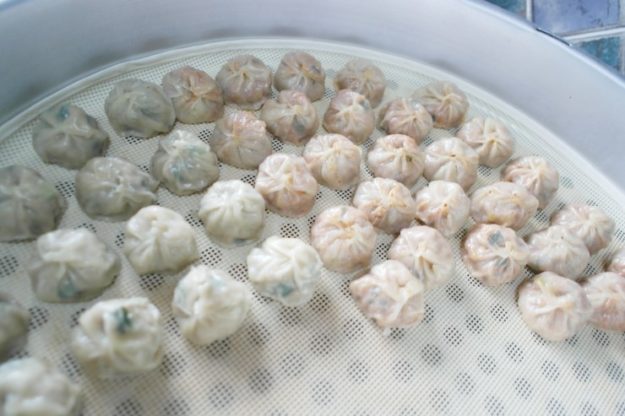
mandu

Take extra care with mandu

There are several ways to cook mandu, which was once part of the royal cuisine. It was said to have found its way in Korea through the Mongolians which brought with them new ways of food consumption. But mandu is etymologically tied to Central Asian names for the same type of food, which lends credence…

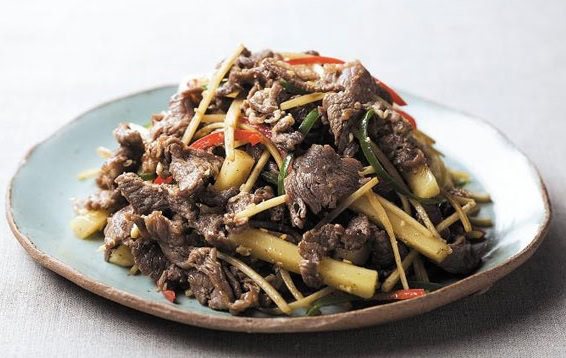
bulgogi

Drooling over bulgogi

Bulgogi is easily one of the most recognizable Korean dishes in Korean restaurants overseas. The name bulgogi literally means ‘fire meat’, derived from the Korean root words ‘bul’ for fire and ‘gogi’ for meat. It’s been in the Korean food tradition for a very long time, dating back in the Goguryeo period and carrying a…

Dakbokkeumtang

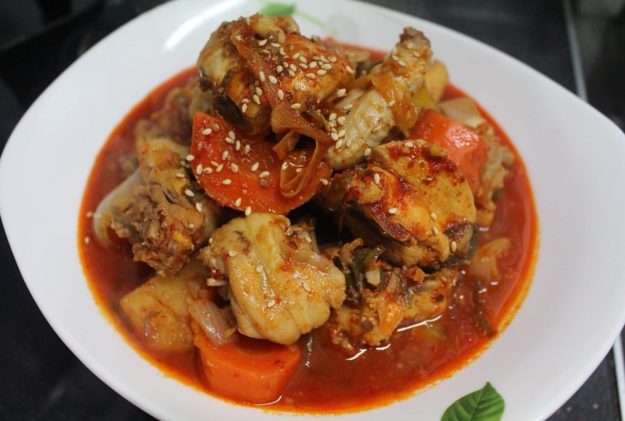
Heating up the day with dakbokkeumtang

Korean food is awash with varying shades of red, suggesting levels of spiciness tinged with the usual suspects of flavor: vinegary sharp at times and sometimes sweet, made exciting by the nutritional science behind each serving. Dakbokkeumtang is, for what it’s worth with the imagery, is a shocking red-orange in color and topped with a…

Jeju Manjanggul Cave

The Lava Tunnels of Jeju Manjanggul Cave

Who would’ve thought that something yet so tragic ends up becoming a beautiful wonder? A designated natural monument and one of the finest lava tunnels in the world, Jeju Manjanggul Cave, measures for 14, 422m and is formed after lava coming from deep in the ground sprouts from the peak and flows to the surface.…

petite france

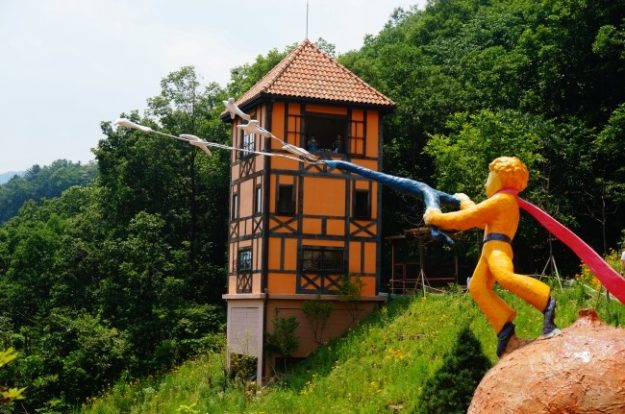
The French Village by the Countryside: Petite France

Driving through the lakeside roads of Cheongpyeong, you might find yourself lost off-track, upon seeing a hillside where bizarre-looking buildings that resemble the ones at the Mediterranean coast stood. You might check your GPS for location accuracy but relax, you’re still in Korea, but in the French dimension. Petite France, a small French cultural village…

Kongguksu

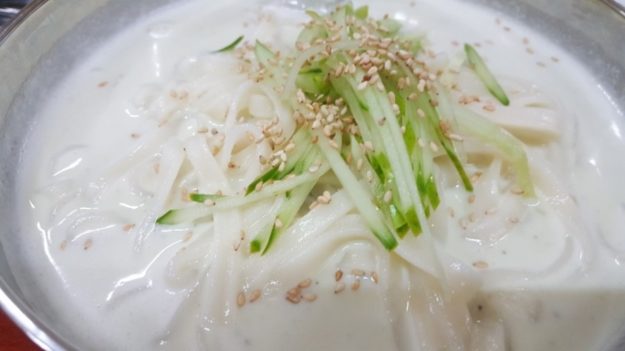
The snow-white Kongguksu

Food is also a work of art and many modern takes on traditional cuisines strive to be immortally sublime on a plate and in the memories of people. Kongguksu, or cold soybean noodles, is perhaps best described as art in a bowl. White as snow and cold as ice, this is the type of dish…

jogyesa

Jogyesa: Home of Korean Buddhism

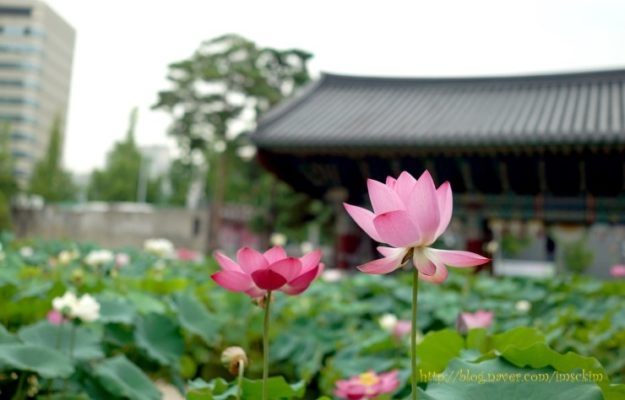
If you wanted to explore and experience the holy Buddhist culture, fasten your seatbelts as we drive through the domain of the famous Jogyesa. The Jogyesa is hailed as the main temple of the Jogye order of Korean Buddhism. Known to be sacred, the temple is also renowned for its distinct architecture which is aperfect…

Bibim-guksu

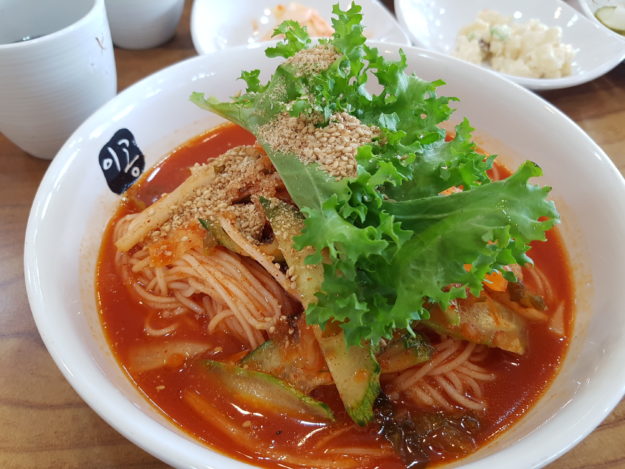
Refreshing, delightful bibim-guksu

Bibim-guksu is simply spicy mixed noodles but quite a delightful Korean food overall with very minimal effort required. It’s officially recognized as a summer food in Korea, chilled when served and essentially just gochujang, kimchi and somen – sometimes a hardboiled egg when you’re really feeling it.   The sauce is very much celebrated on…

sujebi

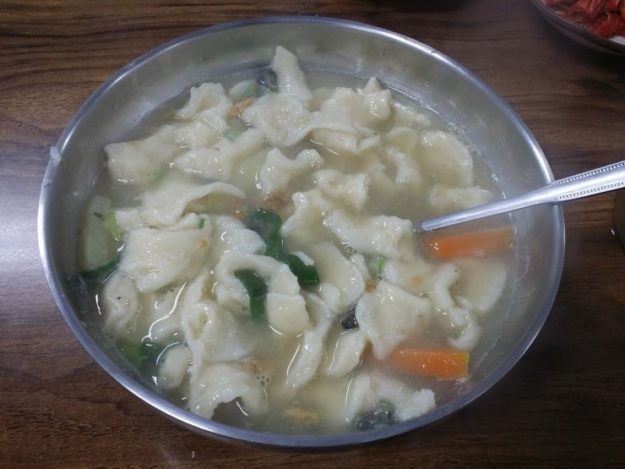
Sujebi and Korea’s collective memory

Fancy a little kitchen project? Why not make homemade noodles and then turn this into a savory Korean food called sujebi? Unlike some meals that would require expensive cuts of meat, this dish is easy to make with simple ingredients like flour and water for the dough and zucchini and carrots for the vegetables. This…

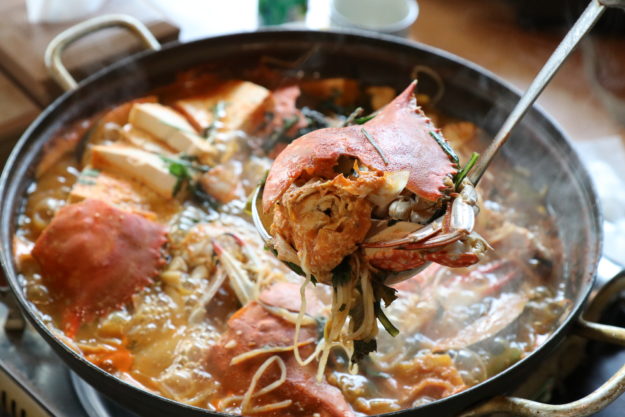
Yum goes the kkotgetang

Across the world, crab dishes are always a treat especially when you get your hands on the fattiest of these. In Korea, there is a festival dedicated to snow crabs and a dish that puts together the best of Korean flavors. Called kkotgetang, this dish makes use of kkotge, translated as ‘flower crab’ but is…

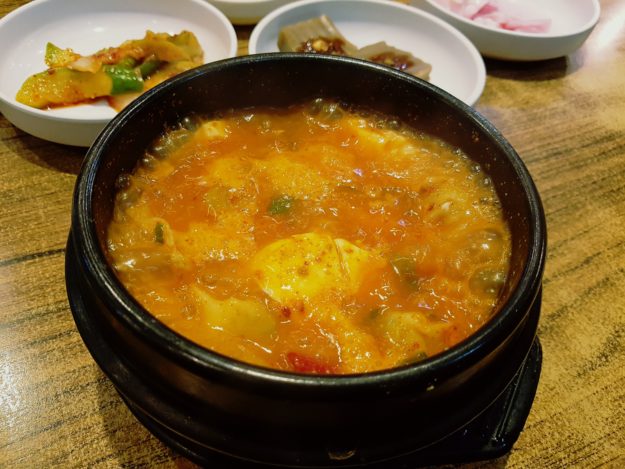
Sundubu-jjigae

Sundubu-jjigae, a soft and spicy filling treat

Sundubu-jjigae is a Korean tofu stew known for its spiciness that makes use of soft tofu called sundubu, hence the name. The origins of this well-loved Korean dish are unknown but it is believed that its earliest version was first served during the Joseon dynasty. Sundubu-jjigae’s soup base consists of anchovy and kelp, considered as…

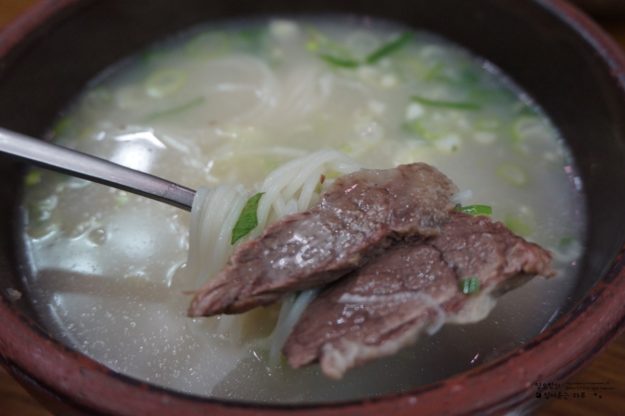
Seolleongtang for the cold

Korean food is a known visual and gastronomic delight, but above this is the importance of eating healthy food. Koreans ascribe to the belief that eating healthy will help one stay healthy; hence, Korean cuisine is not only visually arresting – but also nutritious.   This belief is integrated in their boyangsik cuisine, a set…